How to Choose the Best Stretch Film for Your Needs?
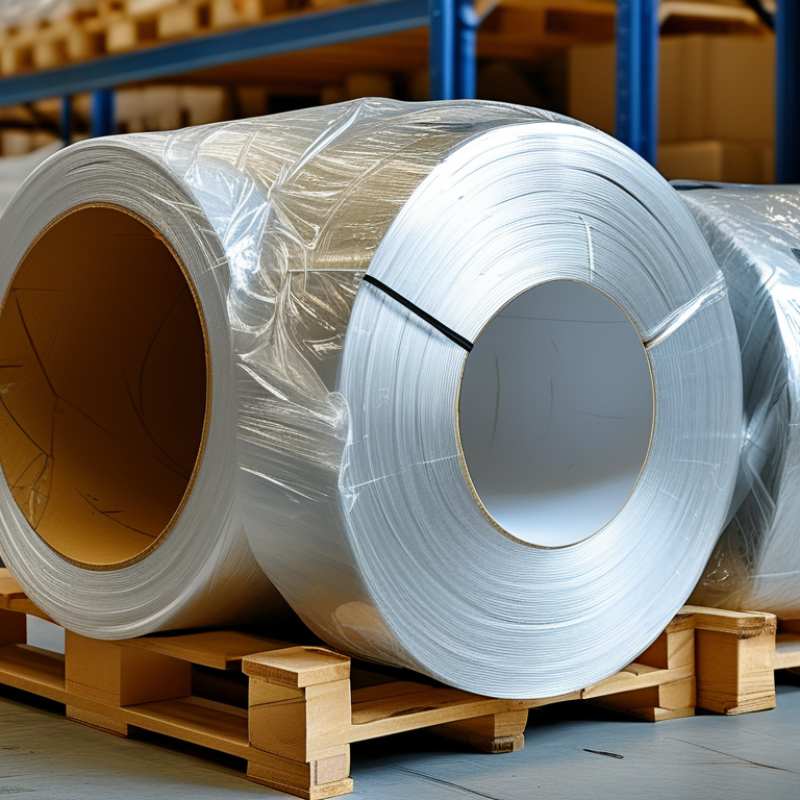
Choosing the right stretch film can seem overwhelming. With various types available, the decision impacts your packaging efficiency. Stretch film is widely used in industries to secure products for storage and transportation.
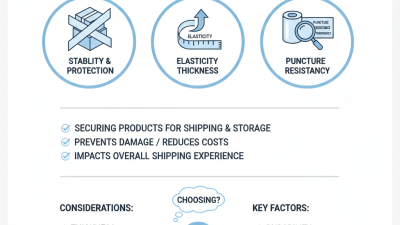
Understanding the unique characteristics of different stretch films is crucial. Some films offer superior cling, while others provide enhanced puncture resistance. You might wonder what thickness is best or which film works on specific surfaces. There are many options, and knowing your needs is key.
Reflect on the potential drawbacks of your choices. A heavier film might seem stronger, but it can be harder to work with. Evaluate your needs carefully. The decision can save time and costs, leading to a more efficient operation. This guide will help you navigate those choices, ensuring you select the most suitable stretch film for your requirements.
Understanding the Different Types of Stretch Film Available in the Market
Choosing the right stretch film requires an understanding of the different types available in the market. There are two main categories: hand stretch films and machine stretch films. Hand films are ideal for smaller tasks. They offer convenience and are easy to use. On the other hand, machine films are designed for larger loads. They provide a tighter wrap and greater efficiency.
Next, consider the thickness of the film. Thicker films offer more puncture resistance but might be overkill for lighter loads. A thinner film is more cost-effective but may not hold up under stress. It's important to match the film's thickness with your specific needs, balancing protection and cost.
Additionally, pay attention to the cling properties of the stretch film. Some films cling better to themselves, while others offer more sliding capability. This affects how well your load stays together. Reflecting on your wrapping method can also lead to better results. Each choice impacts efficiency and safety during transport.
Evaluating the Thickness and Stretch Capability for Your Specific Needs
Choosing the right stretch film is crucial for ensuring the safety and integrity of your products during storage and transport. One key factor to evaluate is the thickness of the film. Generally, stretch film thickness ranges from 15 to 25 microns. Thicker films typically provide better puncture resistance and load stability. For heavy or irregularly shaped loads, consider films around 20 microns or thicker. Data suggests that using thicker films can reduce product damage rates by up to 40%.
Stretch capability is equally important. This refers to how much the film can stretch while maintaining its strength. High-quality stretch films can stretch up to 300%. This elasticity is vital for securing loads tightly, preventing shifting during transit. Data shows that films with superior stretch capability can lead to a 15% reduction in material usage, thereby lowering costs.
Consider these two tips while choosing your stretch film. Assess your product's weight and shape. Use thicker films for heavier, bulkier items. Also, calculate the optimal stretch for your application. Not every situation requires maximum stretch. In some cases, over-stretching can lead to film breakage. Small adjustments can make a big difference in efficiency and cost-effectiveness. Always evaluate your specific needs first.
Assessing the Clarity and UV Resistance for Visibility and Protection
Choosing the right stretch film goes beyond just considering its strength. Clarity and UV resistance play vital roles in ensuring visibility and protection. Clear stretch film allows users to see the wrapped products easily. This transparency helps in inventory management. When items are stacked or stored, it is essential to quickly identify them without unwrapping.
UV resistance is another crucial aspect. Exposure to sunlight can damage sensitive products. Films with UV protection shield contents from harmful rays, ensuring they remain in good condition. This feature is particularly important for outdoor storage or during transit in bright conditions. Still, not all films offer the same level of UV resistance. Evaluating the extent of this protection can prevent potential losses.
It's important to remember that the perfect film may not exist. Some users may prefer higher clarity over durability. Others might prioritize UV protection while sacrificing visibility. Finding the right balance requires thought and reflection on specific needs. Assessing these factors ensures a better choice for wrapping and protecting your items.
Choosing Between Hand Stretch Film and Machine Stretch Film Options
When choosing between hand stretch film and machine stretch film, it's essential to consider your specific needs. Hand stretch film is ideal for smaller operations. It's easy to use, allowing users to wrap products quickly. It is often more affordable upfront but may lead to inconsistent wraps, which can affect load stability. For businesses with high-volume packaging, machine stretch film becomes more reliable. It ensures uniform tension and speeds up the wrapping process. Data suggests that using machine stretch film can increase productivity by up to 30%.
Selecting the right stretch film involves understanding the type of material used. Most films are made from LLDPE, offering great stretch and cling. For heavier loads, a thicker gauge film will provide more support. However, some users find that thinner films can be more challenging to manage and may lead to wasteful practices. The right balance can enhance efficiency while reducing costs.
When evaluating your options, think through the volume and type of products you'll be wrapping. Analyze the effectiveness of current methods and identify areas for improvement. Testing different films can help refine your approach. Consider seeking advice from industry studies or experts to ensure you’re making an informed choice.
Comparison of Hand Stretch Film and Machine Stretch Film
Considerations for Cost-Effectiveness and Environmental Impact of Stretch Film
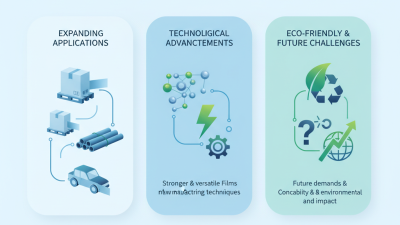
Choosing the right stretch film goes beyond cost. It's crucial to consider its environmental impact. Many films are made from non-biodegradable materials. This choice can harm the ecosystem. Selecting a stretch film that minimizes harm is essential for responsible usage.
Opt for films made from recyclable materials. They can help reduce waste in landfills. Look for products that emphasize sustainability in their production. This often indicates a commitment to lowering their environmental footprint. However, be wary; not all "green" labels are equal. Research the certifications and claims.
Costs are another key factor. Some films may have a lower upfront cost but lead to higher disposal costs. Eco-friendly stretch films may seem pricier initially but may save on disposal. Evaluate the total cost of ownership before making a purchase. Remember, your choice reflects not only your needs but also your values in sustainability.