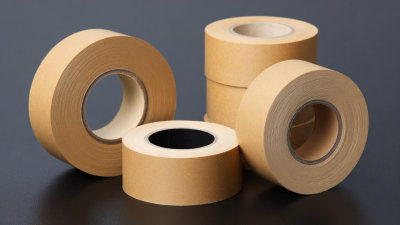
How to Choose the Best Kraft Tape for Packaging?
Choosing the best Kraft Tape begins with the package, not the tape roll. Box weight, carton fiber, storage conditions, and shipping distance all matter. A lightweight mailer may need a different adhesive than a double-wall carton holding glass jars. Water-activated Kraft Tape bonds with the carton surface and can create a secure, tamper-evident seal. Pressure-sensitive Kraft Tape is faster to apply and suits many small packing operations. Neither option wins every test.
Dr. Susan Selke, a packaging researcher and author, offers a valuable principle: “Packaging decisions should consider the entire system, not one material alone.” That idea applies directly to Kraft Tape selection. A recyclable paper backing sounds attractive, but the adhesive, liner, application method, and carton recovery process deserve equal attention. The greenest choice is not always the one with the most natural-looking surface.
Practical testing reveals details that product pages may hide. Apply the tape to cold cartons, dusty cartons, and slightly rough surfaces. Pull the sealed box after several hours. Check whether the edges lift, the paper tears, or the adhesive remains soft. Humidity can change performance. So can a rushed operator.
Do not choose only by price.
I have seen packaging teams select a narrow tape, then waste material after repeated failures. A wider grade may reduce rework and product damage. Still, this is not a universal rule. The best Kraft Tape matches the carton, equipment, climate, and handling risks. A small warehouse trial is often more trustworthy than a confident specification sheet. Supplier documentation, sample testing, and measured results should guide the final decision.
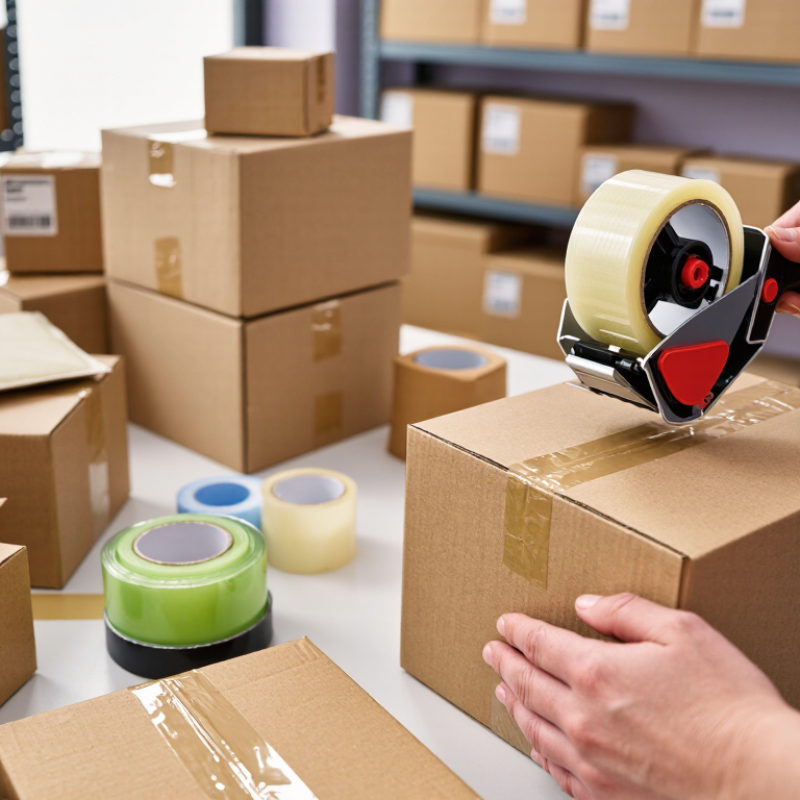
Understanding Kraft Tape Types and Their Packaging Applications
How to Choose the Best Kraft Tape for Packaging?
Kraft tape comes in several forms, and each suits a different packaging task. Water-activated kraft tape uses moisture to bond with corrugated fiber. It often creates a strong, tamper-evident seal. This type works well for heavy cartons and rough shipping conditions. Reinforced versions contain paper or fiberglass strands for extra strength. Use them when boxes carry dense products or face repeated handling.
Pressure-sensitive kraft tape has a pre-applied adhesive. It needs no water or special dispenser. This makes it practical for light cartons, retail packing, and quick warehouse work. Some versions use natural rubber adhesive, while others use acrylic. Acrylic may perform better under changing temperatures. Natural rubber can grip quickly, but humidity may affect results. Small details matter.
Test before ordering in volume. Apply the tape to the actual carton surface. Check adhesion after one hour, overnight, and after temperature changes. A clean, dry box usually gives better results. Dusty recycled board can reduce bonding strength. I have seen attractive tape fail because the carton was too cold. That mistake is easy to miss. Consider box weight, sealing speed, storage humidity, and disposal requirements. Paper-based tape may support fiber recycling, but only when its adhesive and carton system are compatible. No single kraft tape fits every application.
How to Choose the Best Kraft Tape for Packaging?
Relative suitability of common kraft tape types for different carton weights
Ratings use a 1–5 scale, where 5 indicates strong suitability for the application. Self-adhesive kraft tape is commonly used for light cartons and quick sealing, while reinforced and water-activated kraft tapes provide stronger bonds for medium- and heavy-duty packaging. Actual performance depends on carton quality, surface cleanliness, storage conditions, and sealing equipment.
Comparing Reinforced, Gummed, and Self-Adhesive Kraft Tape
How to Choose the Best Kraft Tape for Packaging?
Comparing Reinforced, Gummed, and Self-Adhesive Kraft Tape
Choosing kraft tape starts with the carton, not the tape dispenser. Reinforced kraft tape contains embedded fibers for added tensile strength. It suits heavy boxes, sharp edges, and long-distance handling. In packing tests, it can resist splitting when a carton is pulled across a warehouse floor. However, excessive force can still damage weak corrugated board.
Gummed kraft tape bonds after water activation. Its adhesive penetrates paper fibers and creates a secure, tamper-evident seal. It works well on recyclable cartons and automated packing lines. The tape needs accurate moisture control. Too much water causes wrinkling, while too little may reduce adhesion. Humid storage can also affect performance. Keep it dry.
Self-adhesive kraft tape is quicker for low-volume packing. Peel, press, and seal. It requires no water or special equipment. This option is practical for light parcels, repairs, and changing carton sizes. Yet dusty surfaces, cold rooms, and recycled cardboard may weaken the bond. Press the tape firmly along the seam, especially near the corners. I once assumed a stronger tape would solve every sealing problem. It did not. The carton itself was poorly folded. Test each tape on the actual box, under real storage temperatures, before standardizing your packing method.
Selecting the Best Kraft Tape for Your Packaging Requirements
Selecting the best kraft tape for your packaging requirements begins with the carton, not the tape roll.
Check the box weight, surface texture, filling material, and storage conditions. A lightweight parcel may need standard paper tape, while a heavy carton often requires reinforced kraft tape. Recycled cardboard can have a dusty surface, which may reduce adhesion. Test it.
Tape width and adhesive strength also matter. Wider tape covers more of the carton seam and can improve closure security. However, wider is not always better. Choose a size that fits your sealing equipment and production speed.
For hand packing, a tape that tears cleanly can reduce wasted time. For automated lines, consistent release and stable tension are more important.
Temperature and humidity deserve attention. Cold warehouses can weaken initial adhesion, while damp cartons may absorb adhesive unevenly. Apply the tape to a clean, dry surface, then press along the seam firmly.
I once assumed a strong adhesive would solve every sealing problem. It did not. Poor carton quality still caused failures.
Request technical data from the supplier, but verify it with your own packaging trial. Seal several cartons, stack them, move them, and inspect the seams after storage.
Record the results instead of trusting a single successful test. A practical choice may not be the strongest tape; it is the tape that performs reliably with your materials, workers, equipment, and shipping conditions.