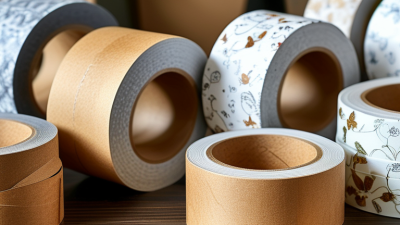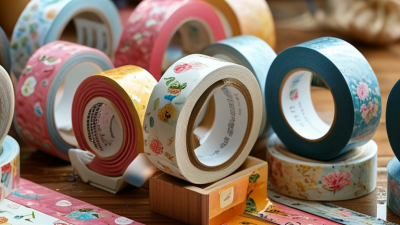
Small Tape is a compact adhesive tape designed for tasks where a full-size roll feels bulky or unnecessary. It can seal a small parcel, secure a paper label, mend a torn page, or hold a loose cable in place. The exact use depends on its material, adhesive, width, and backing. Small does not always mean weak. Some compact rolls offer dependable hold, while others are made for clean removal or delicate surfaces.
There are several types to consider. Clear office tape works well for paper and light packaging. Masking tape is useful for temporary marking, painting, and crafts. Double-sided tape hides the adhesive between two surfaces, while washi tape adds color and is often easier to reposition. Foam tape can help attach lightweight objects where a little cushioning is useful. For heavier packages, a narrow roll of packing tape may be more appropriate than decorative or stationery tape. Check the product label for surface compatibility and intended use; adhesive performance can vary with dust, moisture, and temperature. Small details matter. A roll that fits a desk drawer may still be the wrong choice for a textured wall. And labels can be vague. This guide explores what Small Tape means, the common types available, and how to choose a roll for the job without expecting one tape to do everything.
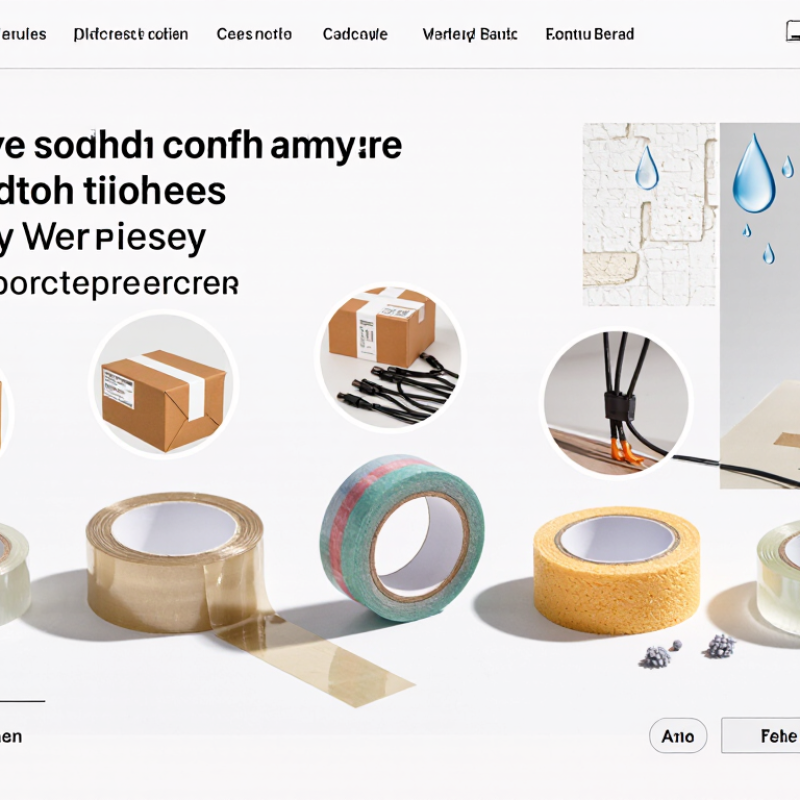
Small tape is a compact roll of pressure-sensitive adhesive tape, usually chosen for its narrow width, short length, or easy handling. The term is not a strict technical category. It can describe miniature rolls for desk use, narrow strips for labeling, or short rolls carried in a repair kit. That distinction matters. A small roll may use paper, plastic film, cloth, or foam backing, with adhesive strength suited to a particular surface and task.
In practice, a 12-millimeter roll can seal a small envelope, mark a cable, or hold a paper pattern in place. A low-tack version may lift cleanly from smooth surfaces, while stronger adhesive can be useful on cartons or rougher materials. Check the label for width, length, backing, and recommended surface; a compact roll does not automatically mean gentle or removable. Not one material. For industry context, Grand View Research valued the global adhesive tapes market at 80.1 billion US dollars in 2023 and projected a 4.7% compound annual growth rate from 2024 to 2030. That broad figure covers many tape formats, not small rolls alone, so it should not be read as a measure of small-tape demand. Small tape is convenient, but its fit and adhesive still deserve a closer look.
| Tape Type | Typical Backing | Adhesive or Key Feature | Common Uses | Useful Considerations |
|---|---|---|---|---|
| Masking Tape | Crepe paper | Pressure-sensitive adhesive; generally designed to peel away more easily than many permanent tapes | Temporary labeling, painting preparation, bundling, and light household tasks | Removal time and surface condition can affect residue or paint lift; test on delicate surfaces first. |
| Electrical Tape | Flexible plastic, commonly vinyl | Insulating, pressure-sensitive adhesive tape | Color coding and wrapping electrical wiring or components | Choose tape rated for the intended electrical application. It is not a substitute for proper connectors or safe electrical repairs. |
| Double-Sided Tape | Thin film, tissue, or foam carrier | Adhesive on both faces; some versions use a removable liner | Mounting lightweight items, crafts, paper projects, and joining surfaces | Bond strength depends on the adhesive, surface cleanliness, contact area, and load. |
| Washi Tape | Lightweight paper | Usually low-tack adhesive and often easy to reposition | Decorating, journaling, craft projects, and temporary labeling | Not generally intended for heavy-duty mounting or long-term outdoor exposure. |
| Duct Tape | Cloth or scrim reinforced with a plastic coating | Strong pressure-sensitive adhesive; flexible and tearable by hand in many versions | Temporary repairs, bundling, and general-purpose securing | Adhesion and residue vary by product and surface; it is not a universal waterproofing or permanent repair solution. |
| Transparent Office Tape | Clear plastic film, commonly polypropylene or cellulose acetate | Clear pressure-sensitive adhesive | Sealing paper, mending documents, gift wrapping, and office tasks | Small rolls are convenient for dispensers and short tasks; clarity and aging characteristics vary by tape construction. |
| Medical Paper Tape | Soft, breathable paper | Skin-contact adhesive designed for medical use | Securing light dressings or medical tubing, where appropriate | Use a product intended for skin; sensitivity and adhesion vary. Follow healthcare guidance for wounds or fragile skin. |
| Packaging Tape | Plastic film, commonly polypropylene | Pressure-sensitive adhesive formulated for carton sealing | Closing cartons and securing packages | For small parcels, select a tape suited to the package weight, carton surface, and storage conditions. |
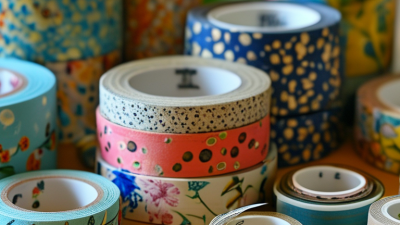
Small tape usually means a narrow or compact roll used for repairs, labeling, craft work, or bundling light items. Its backing may be paper, cloth, PVC, or polyester film. Paper tape tears easily by hand and suits temporary labels or masking. Cloth backing feels flexible and grips uneven surfaces, while PVC and polyester films offer a smoother, tougher layer. The right choice depends on the surface and task. Small rolls are easy to carry. They can also be awkward to handle when the tape end sticks back onto the roll.
Adhesive is just as important as backing. Acrylic adhesive often provides steady, long-lasting adhesion, while rubber-based adhesive can grip quickly on many clean surfaces. Some double-sided tapes use a thin foam layer to fill small gaps between surfaces. Electrical tape is commonly flexible and made with an insulating plastic backing, but its suitability depends on the product’s stated rating. Check the label rather than judging by color or feel. For delicate paper or painted walls, test a short strip in an inconspicuous spot; residue and surface damage are easy to overlook. Width, thickness, hand-tearability, and resistance to moisture or heat can all affect performance. There is no perfect tape for every job, and that is worth remembering.
Small tape is sold in compact rolls, but its usefulness depends on the adhesive and backing. Clear office tape suits sealing light paper, attaching labels, or making quick repairs to a torn page. It is easy to handle, though it may yellow or lift from dusty surfaces over time. Handy for small jobs.
Masking tape has a paper backing and usually removes more cleanly than general-purpose adhesive tape. People use it for labeling containers, marking short lines, or protecting narrow edges during painting. Test it on delicate finishes first; “removable” does not mean harmless on every surface. Washi tape is also paper-based, often thinner and decorative. It works well for journals and temporary labels, but usually offers less holding strength than utility tape.
Double-sided tape hides the adhesive between two surfaces, making it useful for paper crafts or attaching lightweight items. Foam versions add cushioning and can help mount small objects, but surface cleanliness and weight matter. Small rolls of electrical tape are designed for electrical insulation and bundling wires. Check the product’s intended rating, and do not treat a small roll as a fix for damaged wiring. Tape can seem simple; choosing the wrong type is an easy mistake.
Small tape appears in everyday work because it can secure, mark, bundle, or protect small items without covering a large area. In warehouses, narrow packing tape closes cartons and holds labels in place. A strip across a box seam can also show whether it has loosened during handling. Simple work, but the tape must match the carton surface and storage conditions. Dusty cardboard can weaken adhesion.
In electronics workshops, insulating tape helps cover wire joints and protect components from accidental contact, while masking tape marks parts during assembly or painting. Automotive technicians may use it to hold trim temporarily or identify wiring during repairs. In clinics and care settings, skin-safe medical tape can secure dressings, though sensitive skin needs extra attention. On a production floor, colored tape can mark shelves, tool locations, or walking routes. It is useful, not foolproof; worn edges and dirty floors can make markings hard to see. A small roll solves some problems, but choosing by width alone is an easy mistake. Check the surface, temperature, exposure time, and whether clean removal matters.
Small tape refers to narrow adhesive tape rolls used for precise fastening, insulation, sealing, masking, and medical applications. The chart shows representative commonly available widths; actual sizes vary by product and application.
Typical uses: Electrical tape is used in electrical maintenance; masking tape in painting and manufacturing; double-sided tape in assembly and crafts; medical paper tape for securing dressings; and PTFE thread-seal tape for plumbing connections.
Small tape usually refers to narrow rolls used for precise, light-duty tasks. Common options include masking tape for temporary marking, double-sided tape for joining flat surfaces, and clear adhesive tape for wrapping or quick fixes. Electrical tape is made for insulating wires, but it should only be used as directed. The right choice depends less on roll size than on the surface, task, and conditions. Small details matter.
Tips: Check the tape’s width, adhesive strength, and removal guidance before buying. A strip that holds paper may fail on a dusty plastic surface. Test a small, hidden area first, especially on painted walls or delicate finishes. Leave the tape in place for the intended time, not indefinitely.
For clean lines, choose a narrow masking tape that suits the surface and planned removal time. For crafts or mounting lightweight items, double-sided tape can keep the visible side neat. If the area may get warm or damp, check the product’s stated limits; ordinary tape can loosen or leave residue. I still find surface preparation easy to overlook: wipe away dust and let the area dry before applying tape. If the job needs lasting support, tape alone may not be enough.