2026 Top Small Tape Trends for Global Buyers to Explore
The small tape market is witnessing a remarkable transformation. As the demand for versatile packaging solutions grows, small tape has emerged as a crucial player. According to a recent report by MarketsandMarkets, the adhesive tape market is projected to reach $74 billion by 2026. This growth underscores the increasing relevance of small tape in various industries.
Small tape is not only vital for retail packaging but also essential for industries such as automotive and electronics. The growing e-commerce sector is driving this trend. More packaging means a higher need for small tape solutions. However, while the market flourishes, companies must adapt to changing consumer preferences. Sustainability is becoming a key concern. Many buyers seek eco-friendly options that align with modern values.
The future of small tape presents challenges alongside opportunities. As the industry evolves, manufacturers must keep pace with innovations. Adopting new technologies can improve efficiency. Yet, striking a balance between cost and quality remains complex. An understanding of these dynamics will be crucial for global buyers exploring trends in 2026.

Emerging Materials in Small Tape Production for 2026
The small tape industry is witnessing an evolution in materials that could redefine production methods by 2026. Recent reports indicate that innovations such as biodegradable adhesives and advanced polymer composites are gaining traction.
These materials offer durability while minimizing environmental impact, addressing growing consumer demands for sustainability. According to industry forecasts, the green tape market is expected to grow over 15% annually through 2026.
Emerging technologies are also enhancing the performance of small tapes. Research shows that incorporating nanomaterials can increase adhesion and flexibility.
This advantage could lead to more efficient applications in various sectors, from electronics to packaging. Certain studies suggest that using advanced resin formulations can reduce waste during production, offering a more sustainable alternative to traditional methods.
However, the transition to these new materials is not without challenges. Many manufacturers are grappling with the high costs of R&D, which can hinder innovation. Adapting existing production lines to accommodate new materials may require substantial investment. As the industry moves forward, collaboration between manufacturers, researchers, and suppliers will be essential to overcome these obstacles and fully realize the potential of emerging materials.
Sustainable Practices in the Small Tape Industry: A Future Focus
The small tape industry is shifting towards sustainability. As buyers search for innovative products, eco-friendly materials gain traction. Manufacturers are under pressure to adopt greener practices. This can mean using recycled materials and reducing waste. Companies are exploring biodegradable options as well. These initiatives not only meet consumer demand but also lower their environmental footprint.
However, the journey towards sustainability has its challenges. Many businesses struggle with sourcing sustainable materials at scale. There is also a lack of industry-wide standards for what constitutes a "green" product. This inconsistency can confuse buyers. Companies must invest in research to find reliable alternatives. Collaboration among industry players is essential. Sharing best practices can lead to more significant advancements in sustainability.
As consumers become more eco-conscious, they will push for transparency. They want to know how products are made and their environmental impact. This demand may drive smaller companies out of the market. It can also create a divide between businesses that adapt and those that do not. The small tape industry must remain proactive in addressing these concerns. A commitment to sustainable practices is not just an option; it’s a necessity for future growth.
2026 Small Tape Trends: Sustainability Practices
Innovative Adhesive Technologies Shaping Small Tape Trends
The small tape industry is experiencing a transformative phase, driven by innovative adhesive technologies. These advancements are not just about sticking materials together; they are reshaping how tapes are used across various applications. From medical devices to electronic products, the demand for high-performance tapes is rapidly growing. Manufacturers are focusing on properties such as temperature resistance, moisture control, and longevity.
New materials and formulations are at the forefront of these trends. Researchers are exploring eco-friendly adhesives that offer strong bonding without harmful chemicals. This shift is vital as sustainability becomes a priority for many buyers. However, the challenge lies in balancing performance with environmental impact. Not all new technologies are perfect; some may not yet meet the rigorous standards needed for specific industries.
As buyers navigate these trends, they face tough choices. Identifying reliable suppliers is crucial. Data on performance and durability is often inconsistent. Buyers must consider not only the immediate advantages but also long-term implications. Ultimately, exploring these innovative adhesive technologies will lead to discovering tapes that truly enhance product performance and safety.
2026 Top Small Tape Trends for Global Buyers to Explore - Innovative Adhesive Technologies Shaping Small Tape Trends
| Trend |
Description |
Key Features |
Applications |
| Sustainable Materials |
Increased use of eco-friendly adhesive materials. |
Biodegradable, recyclable, low VOCs |
Packaging, crafting, and general consumer use |
| Enhanced Adhesive Technologies |
Development of stronger, more durable adhesives. |
High tack, water-resistant, heat-resistant |
Construction, automotive, electronics |
| Smart Tape Solutions |
Integration of technology, such as sensors. |
Temperature sensors, adhesive status indicators |
Logistics, healthcare, smart packaging |
| Custom Adhesive Formulations |
Tailored adhesive formulations for specific needs. |
Customized bonding strength, flexibility, curing times |
Specialty manufacturing, artistic applications |
| Multi-Functional Tapes |
Tapes that serve multiple purposes beyond adhesion. |
Insulation, sealing, and decorative options |
Home improvement, art, electronics |
Customization and Versatility: Meeting Global Buyer Demands
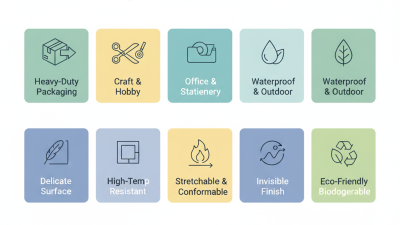
In the evolving landscape of small tape products, customization and versatility are more crucial than ever. According to a recent industry report, over 70% of global buyers prioritize tailored solutions. This demand reflects a shift towards personalized applications across sectors. Customers seek tapes that fit specific needs, whether for packaging, crafting, or industrial use.
The versatility of small tape applications is a significant driver in market growth. Reports indicate that the global tape market is expected to reach $63 billion by 2026. This rise is fueled by innovations in adhesive technology and materials. New formulations expand usability, meeting diverse market demands. However, challenges remain. Many manufacturers still struggle with scalability and maintaining quality while customizing products.
As companies adapt to buyer preferences, they must balance creativity with practicality. The ability to offer both reliable performance and customization could set leaders apart. The demand for versatile solutions is clear. Yet, the need for thoughtful design and execution still poses hurdles for many producers in this competitive field.
Market Analysis: Key Regions Driving Small Tape Sales in 2026
The small tape market is witnessing dynamic growth, particularly in key regions like North America and Asia-Pacific. A recent report highlights that North America is projected to account for 40% of global small tape sales by 2026. This surge is attributed to the booming DIY and home improvement sectors, where small tapes play a critical role. Consumers in this region increasingly prefer reliable, versatile adhesive products for various applications, from crafting to packaging.
Asia-Pacific, on the other hand, is emerging as a competitive market. Experts estimate that the region will register a CAGR of 6.5% during the forecast period. Factors like rapid urbanization and increased industrial activity contribute to this trend. In China, strong manufacturing and a growing e-commerce sector are driving demand for small tapes. However, challenges remain, such as fluctuating raw material prices and supply chain disruptions, which could impact production and delivery.
In Europe, sustainability concerns are shaping buyer preferences. There's a noticeable shift towards eco-friendly and biodegradable tape options. Buyers are increasingly scrutinizing product origins and lifecycle impacts. This shift opens doors for innovation but also demands a careful balance between sustainability and performance, a challenge manufacturers must navigate effectively.