Why Choose Clear Sticky Tape for Your Packaging Needs?
In today's fast-paced world, packaging plays a crucial role in product presentation and protection. Clear Sticky Tape has emerged as a favored choice for various packaging needs due to its versatility and efficiency. Many businesses are leaning toward using this essential tool for securing their packages seamlessly. It provides a clean, professional finish, enhancing the overall appearance of shipments.
Clear Sticky Tape is not just aesthetically pleasing; it also ensures reliability. Its strong adhesive offers excellent bonding without leaving unsightly residue. This feature is especially important for maintaining the integrity of packaging. Moreover, the transparency of the tape allows labels and branding elements to remain visible. However, some may overlook the importance of selecting the right type of tape for different applications.
While Clear Sticky Tape is effective, attention to detail is required for optimal use. Improper application can lead to issues like peeling or insufficient sealing. Finding the right width and thickness can also impact performance. Rethinking our approach to tape choice can lead to better results in packaging strategies. In summary, Clear Sticky Tape emerges as a practical choice for various packaging challenges, but understanding its application is vital for achieving success.

Benefits of Clear Sticky Tape in Packaging Applications
Clear sticky tape is an essential tool for effective packaging. Its transparency allows for seamless visibility of labels and logos. Customers appreciate this aesthetic touch. Moreover, the strong adhesive provides security, ensuring packages remain sealed during transit. Many options on the market can be confusing. It’s crucial to choose high-quality tape that enhances packaging reliability.
In addition to its visual appeal, clear sticky tape offers versatility. It can be used on various surfaces, from cardboard to plastic. This adaptability makes it a favorite in warehouses and homes alike. Packaging with this tape is often quick and straightforward. However, inconsistencies in tape quality can lead to packaging failures. Recognizing this risk means being diligent in selection.
Another advantage is the easy removal process. Clear sticky tape won’t leave a sticky residue behind. This characteristic is especially important for returns or repackaging. Yet, not all tapes perform equally well. Some may peel off easily under certain conditions. Finding the right type can be a trial-and-error experience, emphasizing the necessity of thorough research.
Comparison of Clear Sticky Tape vs. Other Packaging Tapes
When comparing clear sticky tape to other packaging tapes, it's essential to consider durability and versatility. Clear sticky tape typically has a higher tensile strength, making it ideal for securing packages. According to an industry report, over 70% of businesses favor clear sticky tape due to its ability to hold items securely during transit. This contrasts with paper and cloth tapes, which may not offer the same adhesive qualities.
Clear sticky tape also provides a professional appearance. It is transparent, allowing labels and logos to show through, enhancing branding efforts. A study found that 65% of consumers perceive packaged products more positively with clear tape. However, while clear sticky tape excels in many areas, it may not be the best choice for heavy or irregularly shaped items. In such cases, other tapes, like reinforced tape, may perform better, indicating a need to assess specific packaging requirements before deciding.
Cost-effectiveness is another critical factor. Clear sticky tape often comes at a lower price point compared to specialized tapes. However, businesses must consider the long-term effects of tape performance. A cheaper option might result in package damage, leading to increased costs due to returns or replacements. Balancing immediate savings with durability is key for any packaging strategy.
How to Choose the Right Clear Sticky Tape for Your Needs
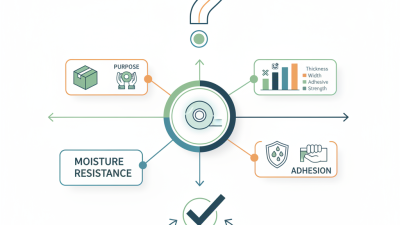
When selecting clear sticky tape for your packaging needs, several factors come into play. Consider the tape's adhesive strength. A stronger adhesive ensures that your packages remain sealed during transit. However, too much stickiness can result in damaging the packaging material when opened. Balancing these elements is key to successful usage.
Next, evaluate the thickness of the tape. Thicker tapes provide better durability and protection, especially for heavier items. On the other hand, thinner tapes can be easier to work with, allowing for precise cuts and adjustments. Think about what you are packaging. Fragile items may need thicker tape, while lightweight packages could benefit from thinner options.
Don’t overlook the dispenser style. Some tapes come with built-in dispensers for easier application. However, if you often switch roll sizes, a universal dispenser might be more versatile. Reflect on your packaging process. Is efficiency a priority, or is cost more critical? Understanding your unique needs will lead you to make an informed choice on the right clear sticky tape for your situation.
Best Practices for Using Clear Sticky Tape Effectively
When using clear sticky tape for packaging, effectiveness is key. Optimal application techniques can make a significant difference. Industry studies show that properly applied tape can increase the security of packages by over 30%. Ensuring a smooth, bubble-free application is essential. Bubbles weaken adhesion, making packages vulnerable.
Temperature plays a crucial role in tape performance. Clear tape can lose its grip in cold environments. Ideally, it should be stored at room temperature. Using a tape dispenser can also improve application speed and reduce waste. Research indicates that one-third of packaging waste comes from improperly applied tape.
Adhesive quality is another factor to consider. Not all clear tapes are created equal. Some may yellow over time or lose adhesion prematurely. Regular assessments can help maintain quality standards. Observing how the tape holds up during shipment is critical. Learning from these experiences can guide future choices.
Environmental Considerations of Clear Sticky Tape in Packaging
Clear sticky tape has gained popularity in the packaging industry for various reasons, including its environmental impact. Unlike many other tape types, clear sticky tape often uses water-based adhesives, which are less harmful to the environment. This choice can reduce hazardous waste in landfills, simplifying recycling processes. Many consumers prefer eco-friendly products, and using clear sticky tape can align with these values.
The production of clear sticky tape also involves less plastic, which helps decrease overall plastic pollution. Companies that prioritize sustainability attract eco-conscious customers. However, many still overlook the importance of sustainable packaging materials. Awareness needs to grow regarding how everyday items like tape can affect the planet.
There's room for improvement within the industry. More manufacturers could explore biodegradable options or recycled materials. Consumers can encourage these changes by demanding more sustainable practices. Engaging in discussions about environmental responsibility is crucial. Though clear sticky tape is a step in the right direction, continued innovation is necessary for a truly sustainable future in packaging.
Why Choose Clear Sticky Tape for Your Packaging Needs? - Environmental Considerations of Clear Sticky Tape in Packaging
| Dimension |
Details |
| Material |
Polypropylene (PP) and Environmentally Friendly Adhesives |
| Recyclability |
High compatibility with recycling streams |
| Carbon Footprint |
Lower emissions during production compared to plastic tapes |
| Durability |
Strong adhesive properties ensure package integrity |
| Biodegradability |
Some products offer biodegradable options |
| Usage in Packaging |
Versatile for boxes, envelopes, and art projects |
| Availability |
Widely available in various sizes and thicknesses |