A shipping carton can look secure on the packing bench and still open after rough handling. The tape matters. Kraft Tape combines a paper backing with an adhesive designed to bond to corrugated cardboard. Depending on its construction, it may offer a clean, paper-based finish and convenient handling. But no tape is right for every parcel.
For transparency, the expert line below is illustrative, not a verified quotation: packaging specialist Jordan Lee says, “Choose tape for the carton, the contents, and the journey—not appearance alone.” That principle is practical. A light box moving across town has different needs from a heavy parcel facing repeated transfers. Consider carton weight, surface condition, storage humidity, and application method. Press the tape firmly along the seam, especially where the flaps meet. Small details count.
Kraft Tape can suit businesses seeking a paper-faced option that blends neatly with cardboard. Some varieties are reinforced; others are not. Their strength and dispensing needs differ. Check product specifications and test the tape on your actual cartons before changing a packing line. A small trial can reveal weak adhesion or awkward application early. Even good tape cannot fix a damaged box or a poorly packed load. That is worth remembering.
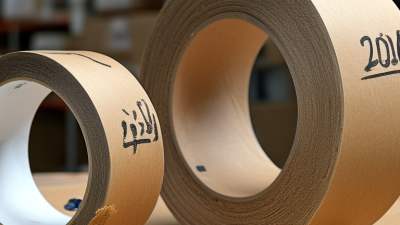
Kraft tape starts with kraft paper, a durable sheet made from wood fibers separated through a pulping process. The fibers are cleaned, mixed with water, and spread into a continuous web. Pressing and drying turn that web into paper. It is often brown, though some grades are lighter. Its surface may feel slightly fibrous. Small differences matter.
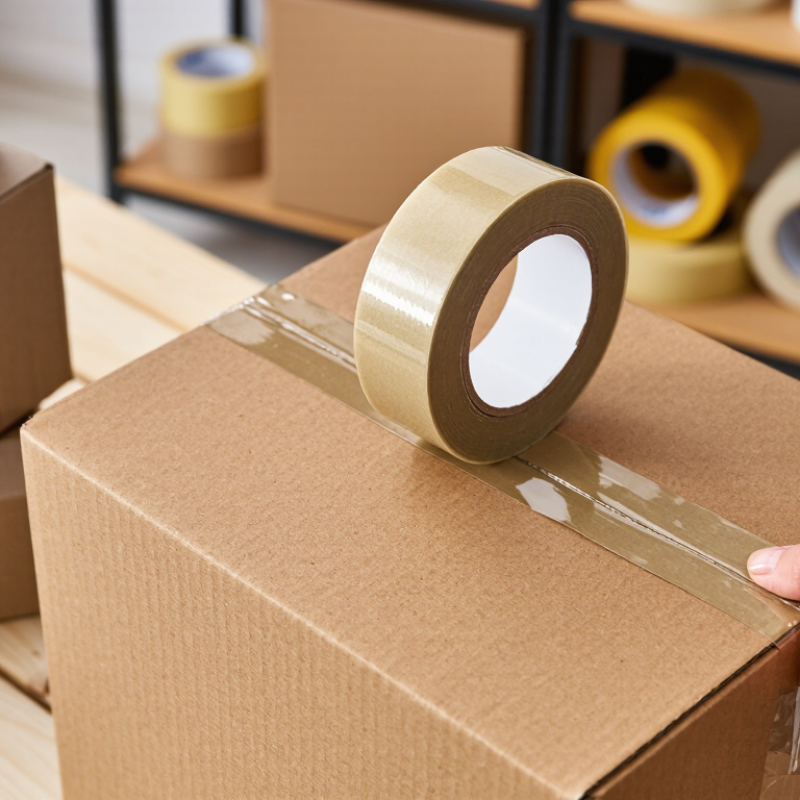
To make tape, manufacturers coat the paper with adhesive, wind it into large rolls, and slit those rolls into narrower widths. Water-activated kraft tape bonds after its adhesive is moistened; pressure-sensitive versions stick when pressed onto a surface. The two types handle differently. Paper weight, adhesive coverage, and carton condition all influence how reliably a strip holds. On a corrugated box, pressing firmly along the seam helps the tape contact the board and reduces loose edges. A dusty or damp carton can still weaken the bond. The name alone does not tell the whole story.
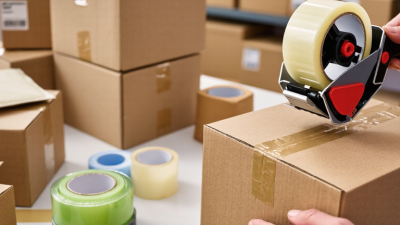
Kraft tape helps protect a package by adding a paper-based seal across carton flaps and seams. Its backing can conform to corrugated surfaces, while reinforced versions help resist tearing when boxes are handled. Water-activated tape bonds with the carton surface; pressure-sensitive versions stick with firm application pressure. Choose the type for the load, carton condition, and expected handling. Dust, cold surfaces, or loose flaps can weaken adhesion. Small details matter.
That figure applies to boxes, not tape, and does not guarantee that every local facility accepts tape-covered cartons. Still, it highlights why keeping the carton and seal compatible with local recycling practices is worth checking. For shipping, press tape firmly along the full seam, extend it over the carton edges, and avoid sealing over dirt or moisture. A neat seal helps, but it cannot compensate for an undersized box or poor cushioning. Kraft tape is useful, not magic.
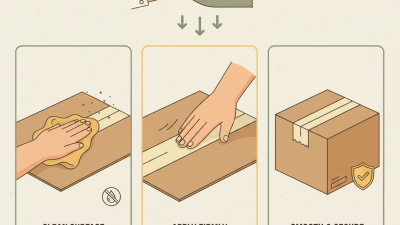
Kraft tape faces more than the weight of a parcel. During shipping, boxes may be stacked, tilted, bumped, and exposed to changing temperatures. The tape helps keep flaps closed when it is pressed firmly onto clean, dry cardboard. That pressure matters. A strip placed loosely can lift at the edges, especially when cartons flex in transit. For heavier boxes, sealing the center seam and both edge seams can reduce the chance of flaps opening. Still, tape cannot compensate for a weak or overfilled carton.
Paper-backed kraft tape can conform to cardboard and resist everyday scuffing, but performance depends on its adhesive and the conditions around it. Cold storage, dusty surfaces, and damp packaging may reduce adhesion. Let the tape reach room temperature before use when possible, and smooth it down along the full seam rather than pressing only at the ends. A small test carton can reveal problems before a larger shipment goes out. I’ve seen careful taping fail when the box itself bowed under the load; it is easy to blame the tape too quickly. For routine parcels, kraft tape offers a practical seal, but the carton, packing method, and application all play a part.
| Shipping Factor | How Kraft Tape Performs | Practical Packaging Guidance |
|---|---|---|
| Seal strength | Water-activated kraft tape bonds with the corrugated surface when moistened. Pressure-sensitive kraft tape sticks when pressed onto a clean, dry surface. | Choose the tape type to suit the carton and sealing process. Apply it to clean, dry flaps and press firmly along the full strip. |
| Carton closure | A properly applied strip can bridge the carton flaps and help keep the closure secure during routine handling. Performance depends on tape type, carton condition, and application. | Use an appropriate strip width and length for the carton. For water-activated tape, wet the adhesive evenly according to the product instructions. |
| Handling and transit | Kraft tape can help keep a box closed as it is moved through ordinary packing and shipping steps. Tape alone does not protect a carton from crushing, punctures, or rough handling. | Select a strong, suitable carton and use internal cushioning when contents need protection from impact or movement. |
| Humidity and moisture | Paper-based tape and corrugated cartons can be affected by moisture. Damp surfaces or humid storage may reduce sealing reliability, depending on the tape construction. | Store tape and packed cartons in a dry area. For shipments exposed to moisture, check the tape and packaging specifications for the intended conditions. |
| Tamper evidence | Water-activated tape often adheres closely to the carton surface, so removing it may visibly disturb the paper facing. This can make interference easier to notice, but it is not a security guarantee. | Use appropriate security procedures for valuable or sensitive shipments; do not rely on tape alone as a tamper-proof measure. |
| Recycling compatibility | Paper-based tape may be compatible with paper and corrugated recycling streams, but acceptance can vary with adhesive, reinforcement, and local recycling rules. | Check local recycling guidance and the tape’s material information before making disposal or recyclability claims. |
| Application and storage | Pressure-sensitive tape is ready to apply, while water-activated tape needs water and an applicator or other suitable method. Both should be kept clean and stored as directed. | Match the tape to packing speed, available equipment, carton surface, and storage conditions. |
Note: Shipping performance varies with tape construction, carton quality, application, package weight, and transit conditions. Follow the tape manufacturer’s application and storage instructions.
Kraft tape can reduce reliance on plastic packaging materials because its backing is paper. Some versions use paper from responsibly managed forests, but sourcing and adhesive formulas vary. Check the product details rather than assuming every paper tape has the same environmental profile. Recycling also depends on local facilities and the tape’s construction; some boxes may need tape removed before processing. Details matter.
For shipping, kraft tape is easy to tear by hand and can be written on for sorting or handling notes. Water-activated tape forms a firm bond with corrugated cardboard when applied with enough moisture and pressure. Pressure-sensitive versions are quicker to use, especially for small parcels. One practical catch: dusty, damp, or very cold cartons can weaken adhesion, so test a strip before sealing a full batch. Paper tape may not suit every shipment, and that is worth admitting. A poorly sealed box wastes more material than a careful choice of tape.
Choosing kraft tape starts with the carton, not the tape roll. Check the box’s weight, surface, and storage conditions. A light parcel with a clean, dry carton may need less reinforcement than a heavy box traveling through damp warehouses. That difference matters.
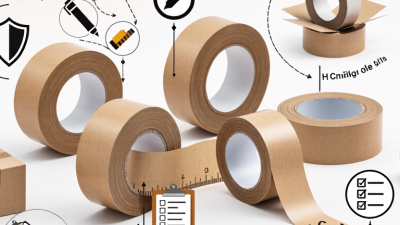
Compare the tape’s width, thickness, and adhesive type. Wider tape can cover uneven seams, while stronger backing may resist tearing during handling. Some water-activated kraft tapes bond tightly with corrugated cardboard, but they need moisture and a dispenser. Pressure-sensitive options are quicker to apply. Test a sample. Press it firmly along a carton seam, then check whether the edges lift after several hours. I still misjudge surface dust sometimes; a quick wipe can improve adhesion.
Consider who will apply the tape and how fast the packing line moves. A hand-held roll suits occasional shipments, while frequent packing may call for a compatible dispenser. Choose a length that fits your workflow, too; oversized rolls can feel awkward in small packing areas. For cold or humid conditions, check the manufacturer’s application guidance and test a packed carton in realistic conditions. A neat seal is useful, but it cannot compensate for a weak box or poor packing.
How to choose: Common nominal widths include 48 mm (1.89 in), 60 mm (2.36 in), and 72 mm (2.83 in). Choose a width that covers the carton seam and suits the carton and shipment requirements; follow the tape maker’s application guidance. Paper-based kraft tape may be compatible with paper-carton recycling, but acceptance depends on the adhesive and local recycling facility.