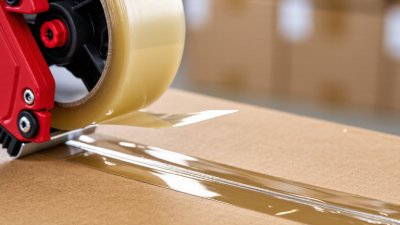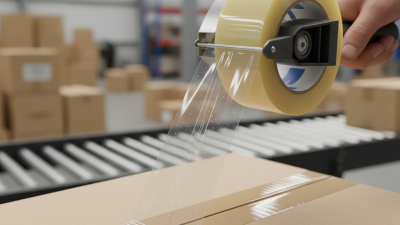
Clear Sealing Tape is a practical choice for closing cartons, bundling light items, and protecting labels from dust and handling. Its transparency keeps addresses and printed instructions visible, while the adhesive holds box flaps together during ordinary storage and shipping. Press the tape firmly along the seam. A clean, dry surface helps it stick.
The right tape depends on the job. A small parcel may need only one neat strip; a heavier carton may require wider tape or several strips across its seams. Clear tape is not a fix for a damaged box, and it may lose grip on dusty, damp, or rough surfaces. That detail is easy to overlook.
A useful original line for this guide is: “Good sealing tape should secure the package without hiding the information people need to read.” No source was provided for a verifiable quotation from a named Clear Sealing Tape industry expert, so I won’t attribute invented words to one. In practice, check the tape’s width, adhesion, and compatibility with the carton before packing. Test it on a small area if the surface is unusual. Simple, but worthwhile.
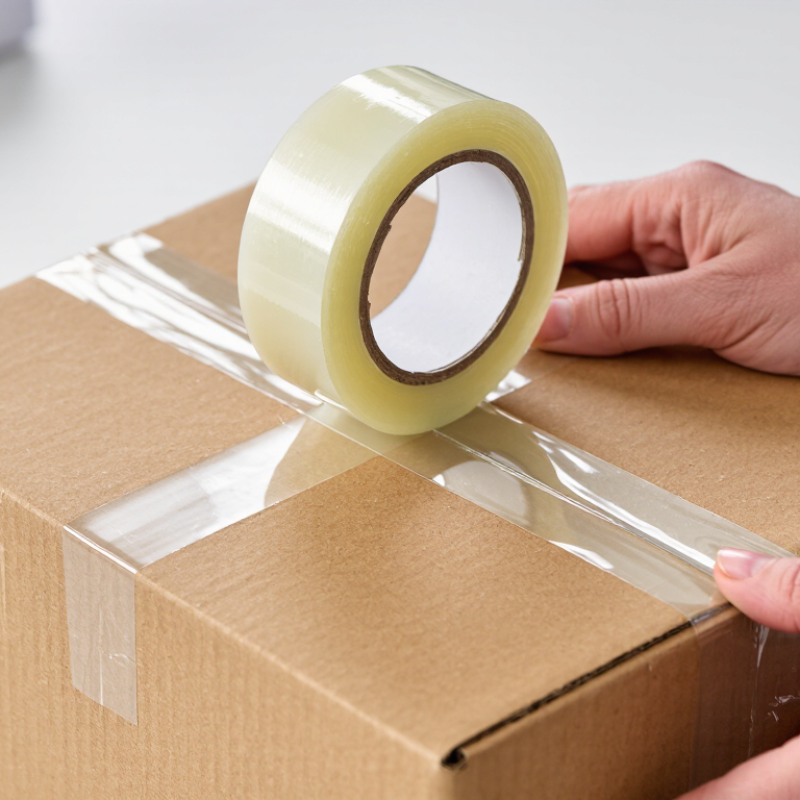
Clear sealing tape is a pressure-sensitive packaging material made from a thin film backing and an adhesive layer. Press it onto a surface, and hand pressure helps the adhesive make contact. No water is needed. The clear film lets labels or carton printing remain visible, though glare and overlapping layers can still obscure small text. Many packing tapes use oriented polypropylene film, but thickness and adhesive formulas vary.
Its common job is closing corrugated cartons: a strip bridges the center seam, with extra length extending down each side. It can also bundle lightweight items, secure protective inserts, or hold documents against a package when suitable. The film provides a flexible carrier; the adhesive grips the carton fibers. Both matter. Dusty flaps or cold, damp surfaces can weaken contact, even when the tape looks clear and intact.
For a dependable seal, press along the full strip, especially at the edges, and avoid stretching it hard during application. A small wrinkle is not just cosmetic; it may leave an air channel or lift at a corner. Tape is not magic. It may fail on heavy cartons, rough surfaces, or loads that need strapping. Check the package after handling, because real cartons are rarely perfect.
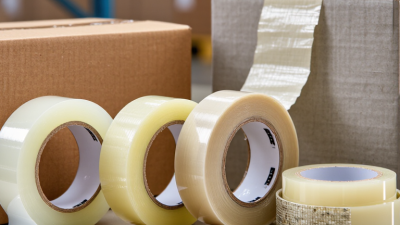
Clear sealing tape is used to close cartons, protect labels, bundle light items, and cover documents. Its bond depends on more than the adhesive itself. A pressure-sensitive adhesive grips when the tape is pressed against a surface. Pressure pushes the adhesive into tiny surface irregularities, increasing contact. That contact matters.
Dust, skin oils, moisture, and loose coatings can get between tape and surface. Even a clear glass pane may hold invisible fingerprints. Wipe the area clean and let it dry before applying tape. Press from the center outward, smoothing the tape to reduce trapped air. Less pressure, weaker contact. On textured cardboard, tape may not seal every groove; on damp or cold surfaces, adhesion can also suffer. Check the package after application, especially where contents need protection.
MarketsandMarkets’ 2022 Pressure Sensitive Adhesives Market report valued the global market at $12.3 billion in 2022 and forecast $15.5 billion by 2027. That market estimate reflects broad use across industries, not a guarantee that every tape suits every surface. For a dependable seal, match the tape to the material, apply it to a clean, dry area, and use firm, even pressure. I still find surface preparation easy to underestimate.
Clear sealing tape is commonly used to close corrugated cartons before parcel shipping. Press the tape firmly along the center seam, then wrap it over each edge; dust, loose fibers, and cold surfaces can weaken adhesion. The U.S. Census Bureau’s Quarterly Retail E-Commerce Sales report recorded $308.9 billion in U.S. e-commerce sales in the fourth quarter of 2024, representing 16.1% of retail sales. That volume helps explain why dependable carton closure matters, though tape alone cannot protect a poorly packed box. ASTM D5486/D5486M sets specifications for pressure-sensitive packaging tape, but the right choice still depends on carton surface, load, and handling conditions.
Clear tape can cover paper labels to reduce scuffs and light moisture exposure. Keep it smooth and clear of folds across barcodes; glare or wrinkles may interfere with scanning. It also works for light bundling, such as holding a few pens or small cables together. Not for heavy loads. The U.S. Environmental Protection Agency’s 2018 Advancing Sustainable Materials Management report estimated that containers and packaging made up 82.2 million tons of U.S. municipal solid waste. That broad figure is not tape-specific, but it is a useful reminder: extra layers are not always better. Clear tape is not waterproof packaging, either. I would test adhesion on a sample carton when the surface is dusty, recycled, or unusually smooth.
| Use | Typical Application | Why Clear Tape Is Useful | Practical Considerations |
|---|---|---|---|
| Carton closing | Sealing the center seam and edges of lightweight cartons for storage or routine handling. | The transparent finish leaves printed labels, carton markings, and instructions visible. | Choose tape suited to the carton weight and surface. Press it firmly along the seam; heavier or rough-handled cartons may need stronger packaging tape or additional sealing. |
| Parcel shipping | Securing package flaps and seams on parcels prepared for ordinary mailing or courier handling. | It holds the closure without covering the entire printed surface of the box. | Apply tape to clean, dry surfaces and avoid relying on a narrow strip for a heavy parcel. Follow the carrier’s packaging guidance where applicable. |
| Label protection | Covering paper labels or small printed notes to help reduce scuffing, smudging, or minor contact with moisture. | The label remains readable through the clear film. | Smooth out bubbles and wrinkles. Tape can cause glare or interfere with some barcode scanners, so keep barcodes flat and unobstructed and test the setup when needed. |
| Light bundling | Temporarily holding together small, light items such as stationery, paper goods, or bundled components. | The clear finish keeps the bundle’s contents visible and is suitable for simple, short-term bundling tasks. | Do not use ordinary clear sealing tape as a substitute for strapping or purpose-made bundling materials for heavy, bulky, or load-bearing items. |
| Protecting small printed surfaces | Covering a small paper insert or printed area during basic packing and handling. | The transparent film helps preserve visibility while providing a surface barrier against everyday handling. | Adhesive may leave residue or damage delicate paper and finishes when removed. Test on an inconspicuous area before applying to valuable or sensitive materials. |
Clear sealing tape is commonly used to close cardboard cartons for storage, moving, and routine shipping. A 48 mm width covers a typical carton seam with room for slight placement errors. The transparent film lets printed carton markings remain visible, though glare or wrinkles can make small text harder to read. Press the tape firmly along the full seam, especially at the edges. A loose end can catch during handling.
A 50 m roll offers a practical supply for home packing or small work areas. The actual number of cartons sealed depends on box size, seam length, overlaps, and waste. For example, long cartons may need extra strips across the ends. This format is convenient, but it is not a measure of load strength. Heavy or rough-handled cartons may need a tape designed for those conditions, plus sound boxes and careful packing. Tape alone cannot fix a weak carton.
Tips: Keep the roll clean and dry, and store it away from heat. Before sealing, remove dust from the carton seam. Apply steady pressure rather than stretching the tape; stretched tape can lift later. I still check each carton after packing, since a neat first strip does not always stay secure on textured cardboard.
Clear sealing tape is used to close cartons, bundle light items, and protect smooth surfaces from dust or abrasion. Its clarity helps keep labels and printed packaging visible.
But a tape that looks secure may still lift at a box edge or creep under a steady load.
ASTM D3330 evaluates peel adhesion: the force needed to remove tape from a specified surface at a controlled angle. A lab report should identify the test method, surface, dwell time, and peel-force result, often reported in newtons per 25 millimetres.
ASTM D3654 evaluates shear adhesion by measuring how long tape holds a load against a surface. The result is typically reported as time to failure under stated test conditions.
Small details matter. A different panel, temperature, or application pressure can change the result, so figures from different setups may not be directly comparable.
A neat number can still mislead. These ASTM methods provide structured comparisons, not a universal pass mark for every clear sealing tape.
Cite ASTM D3330 and ASTM D3654 in test documentation, and match laboratory conditions to the tape’s intended use.