Why Choose the Right Electrical Tape for Your Projects?
Choosing the right Electrical Tape is crucial for successful project outcomes. In 2022, the global electrical tape market was valued at over $1.5 billion. This figure illustrates the growing significance of quality materials. Proper Electrical Tape ensures safety, efficiency, and long-lasting performance in electrical work.
Misusing or selecting inferior Electrical Tape can lead to failures. For instance, using non-UL rated tape on commercial projects may void warranties. Additionally, the wrong tape can affect insulation properties. A 2023 study highlighted that approximately 35% of electrical failures stemmed from tape misuse. These statistics emphasize the impact of correct tape selection.
It’s important to consider various factors when choosing Electrical Tape. The environment and application dictate the suitable type. For example, a tape’s temperature rating and adhesion strength are vital for outdoor tasks. Investing in quality tape not only enhances project durability but also ensures compliance with industry standards.

Understanding the Different Types of Electrical Tape Available
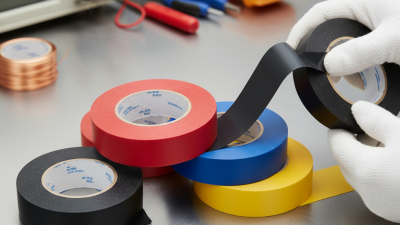
When embarking on electrical projects, selecting the right type of electrical tape is essential. There are various types available, each suited for specific uses. Vinyl electrical tape is widely used due to its versatility. It provides good insulation and can withstand various temperatures. This makes it a reliable choice for many electrical tasks.
Another common type is rubber electrical tape. This type is excellent for high-voltage applications. It offers better adhesion and insulation compared to vinyl tape. However, it can be more challenging to work with, and often requires practice to apply correctly. It’s crucial to be cautious when using it, as improper use can lead to potential hazards.
Additionally, heat-resistant tape is ideal for environments exposed to high temperatures. This tape can endure extreme heat, which is vital in certain projects. Knowing the specific requirements of your project will help you choose the most suitable tape. Each type has unique strengths and weaknesses. Misjudging the tape for your project can lead to failures. Understanding these nuances is key to ensuring safety and effectiveness in your work.
Why Choose the Right Electrical Tape for Your Projects? - Understanding the Different Types of Electrical Tape Available
| Type of Electrical Tape |
Temperature Rating (°C) |
Voltage Rating (V) |
Applications |
Width (inches) |
| PVC Electrical Tape |
-10 to 80 |
600 |
General electrical insulation |
0.75 |
| Vinyl Electrical Tape |
-10 to 90 |
600 |
Insulating wiring, bundling wires |
0.5 |
| High-Temperature Electrical Tape |
-40 to 150 |
1000 |
Applications requiring heat resistance |
0.75 |
| Rubber Electrical Tape |
-20 to 90 |
600 |
Liquid-tight electrical connections |
1.0 |
| Self-Fusing Silicone Tape |
-50 to 260 |
600 |
Waterproofing, emergency repairs |
0.5 |
Key Factors to Consider When Choosing Electrical Tape
When selecting electrical tape, several key factors should guide your decision. Firstly, consider the tape's voltage rating. High-voltage projects require tape that can withstand specific electrical loads. According to industry data from the National Electrical Manufacturers Association, insulators must handle at least 600 volts for residential applications and over 1,000 volts for industrial uses.
Next, evaluate the tape's temperature resistance. Electrical tape must perform well in both high and low temperatures. Tapes that can withstand a temperature range from -18°C to 105°C are often preferred. This is vital in environments where temperatures fluctuate significantly. Moreover, the tape’s adhesive strength plays a crucial role in its performance. Studies indicate that poorly adhered tape can lead to electrical failures.
Another critical factor is the tape's material. Most electrical tapes are made from polyvinyl chloride (PVC) or friction tape, each serving different applications. PVC offers excellent insulation properties, while friction tape provides flexibility and conformability. These materials can affect the longevity and reliability of your electrical connections. Remember, a poor choice in tape might lead to hazardous situations. Regular assessments of tape performance are essential to ensure safety and reliability in any project.
The Importance of Voltage Rating in Electrical Tape Selection
When selecting electrical tape, the voltage rating is crucial. It indicates how much voltage the tape can safely handle. Using tape with a lower voltage rating than required can lead to failures. This can cause shorts or even fires. Ensure the tape matches or exceeds the voltage requirements of your project.
Voltage ratings are not just numbers. They reflect the tape's ability to insulate and protect. For instance, if you are working with wiring in a household circuit, you'll need tape rated for at least 600 volts. Ignoring this can lead to unexpected risks. Choosing the right tape protects both your project and your safety.
It’s easy to underestimate the importance of proper tape selection. Many people grab what is handy. But, using the right voltage-rated tape can save you from disaster. Reflect on your previous choices. Did you always consider the voltage? If not, it’s time to rethink your selection process. Choosing wisely can prevent costly mistakes and ensure project reliability.
Recognizing the Applications Best Suited for Specific Electrical Tapes
When it comes to electrical projects, choosing the right tape is crucial. Different electrical tapes serve various purposes. For instance, vinyl electrical tape is common for insulating electrical wires. It’s flexible and can handle temperatures from -10°C to 105°C. This makes it ideal for indoor use where conditions are stable. However, vinyl tape may not perform well in extreme heat or moisture.
For outdoor projects, consider using rubber electrical tape. Rubber tape is more resistant to water and UV rays. It can protect connections in wet environments. But be cautious; its application can be tricky. Stretch it too much during installation, and it may lose effectiveness. Additionally, cloth electrical tape has its own niche. It provides good insulation and a retro look. This type is often used in classic cars or for repairing power cords.
While there are many options, there’s always a chance of making the wrong choice. Testing small sections before fully applying any tape can save you time. Ask yourself: will this type meet the specific needs of my project? Evaluating these details can lead to better decision-making. Pay attention to the environment and electrical requirements. This reflection is key to using electrical tape effectively.
Tips for Properly Using Electrical Tape in Your Projects
When working on electrical projects, choosing the right tape is crucial. Not all electrical tapes are created equal. Each type serves different purposes and environments. For example, some are better suited for outdoor use, while others are ideal for indoor applications. Understanding these differences can greatly enhance your project.
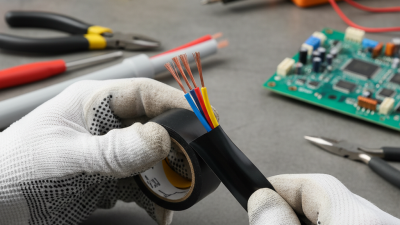
Using electrical tape properly ensures safety and reliability. Start by cleaning the surface before applying the tape. Dust and grease can compromise the tape's adhesion. Remember to overlap the tape by at least half its width for maximum coverage. This technique seals connections effectively and prevents moisture from entering.
Many people forget to check the temperature rating of the tape. Using tape beyond its rated temperature can lead to failure. It’s essential to store unused tape in a cool, dry place. Proper storage can extend its life. Always inspect the tape for wear and damage before each use. Small cracks or tears can result in hazardous situations. Making these checks can save you time and trouble later in your projects.